
Who We Are
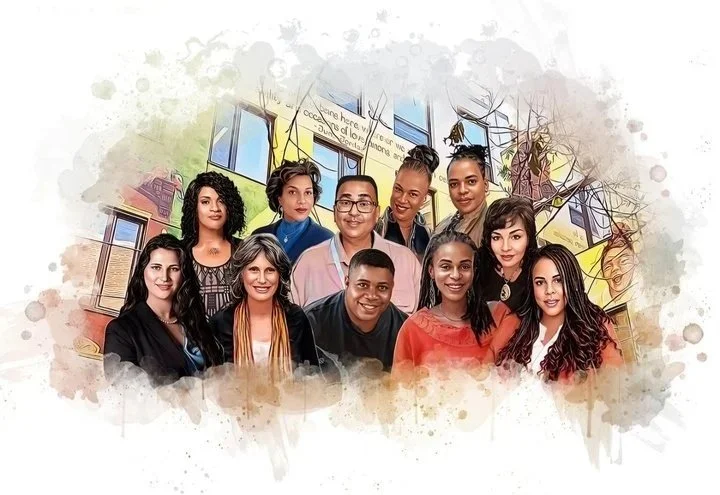
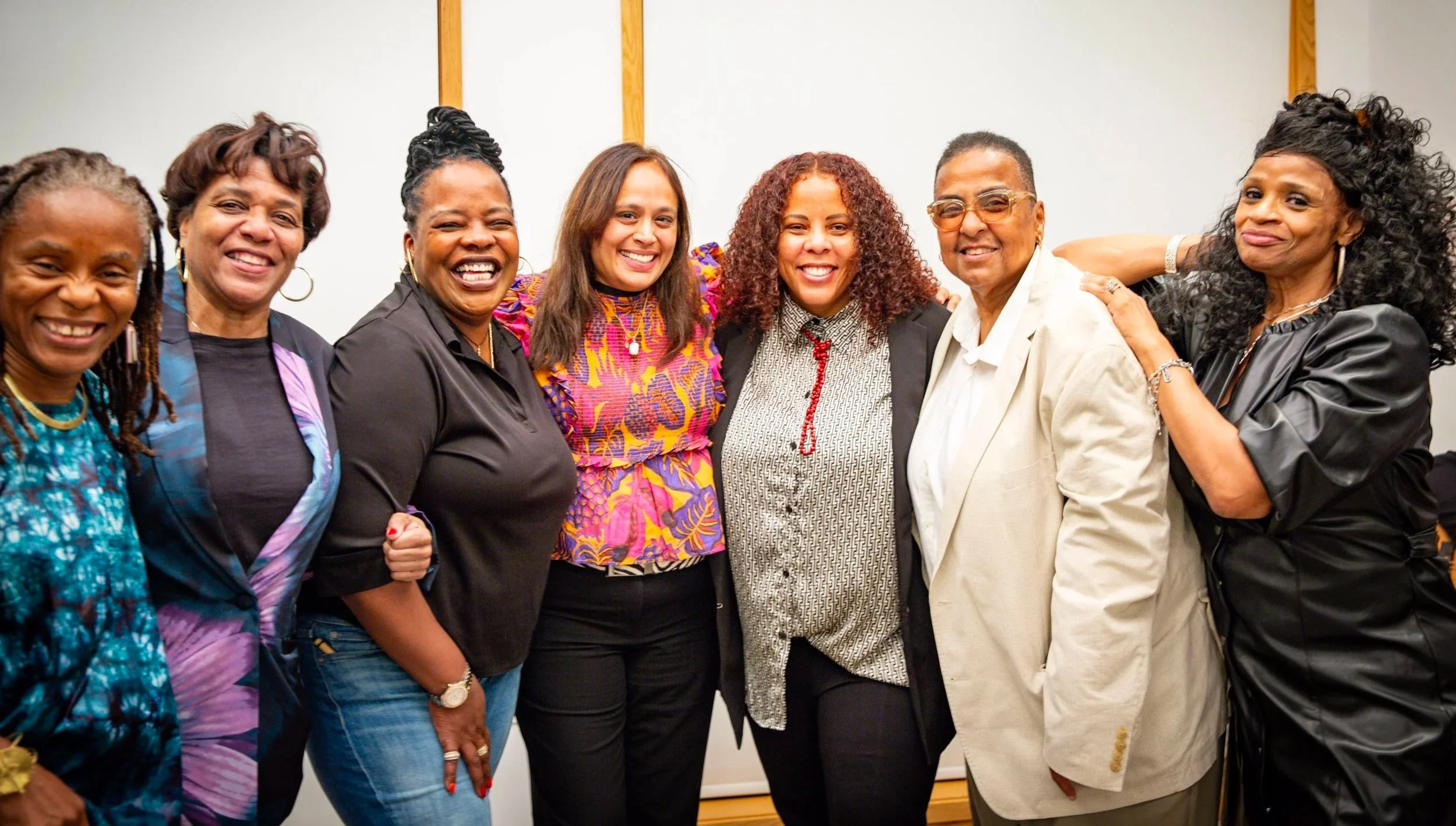
Women Building Up (WBU) is a funding intermediary built by and for women, girls, and gender-expansive people directly impacted by carceral systems.
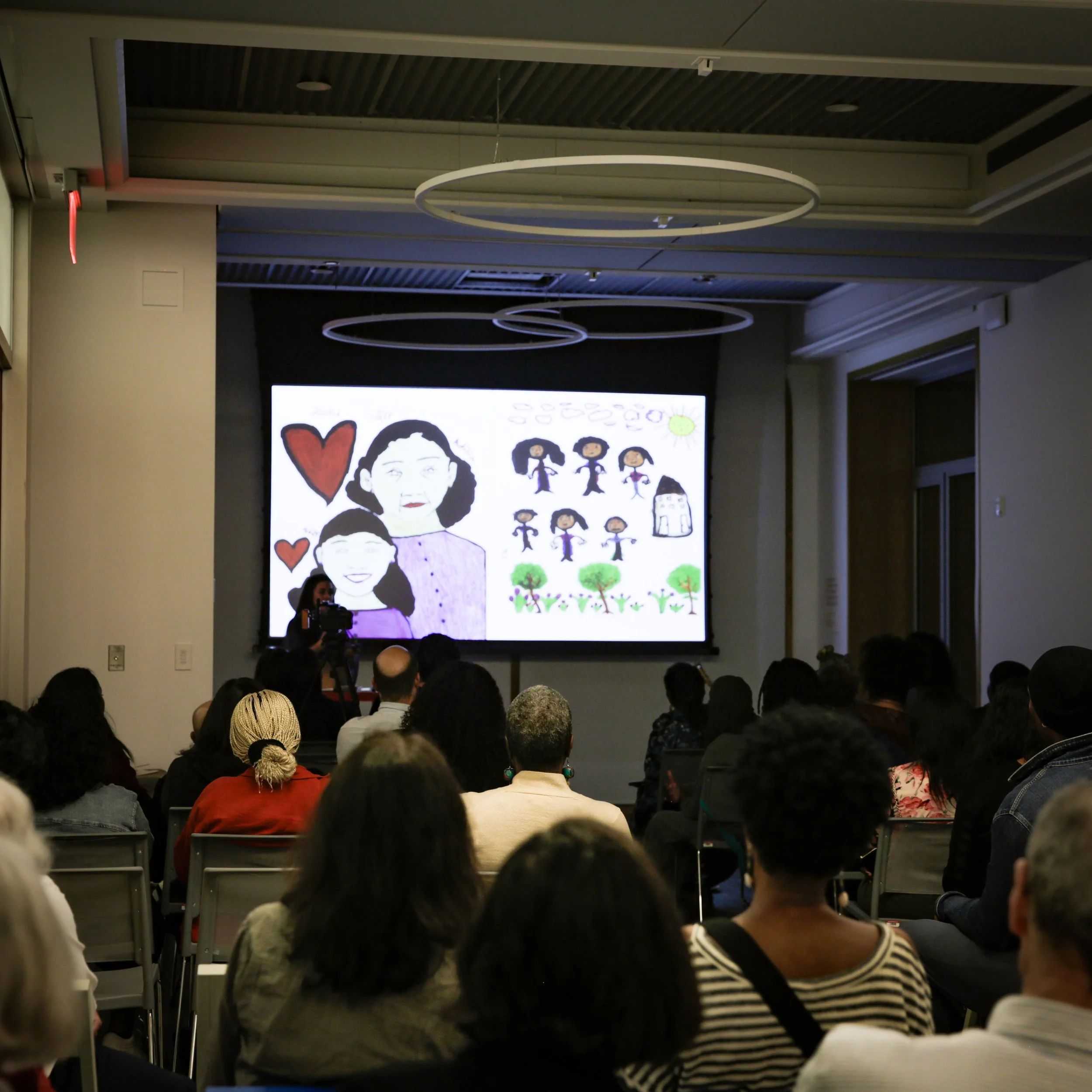
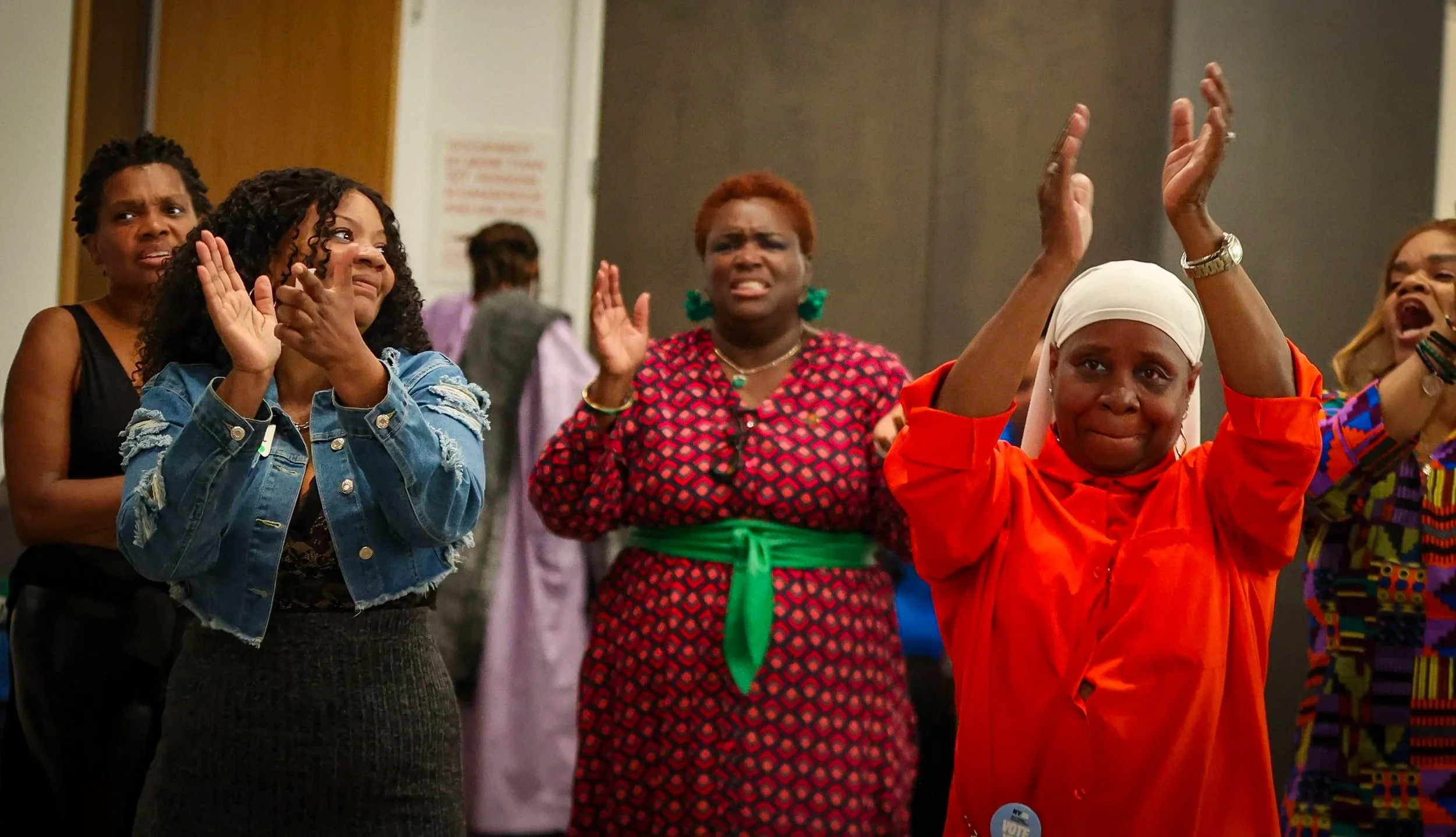
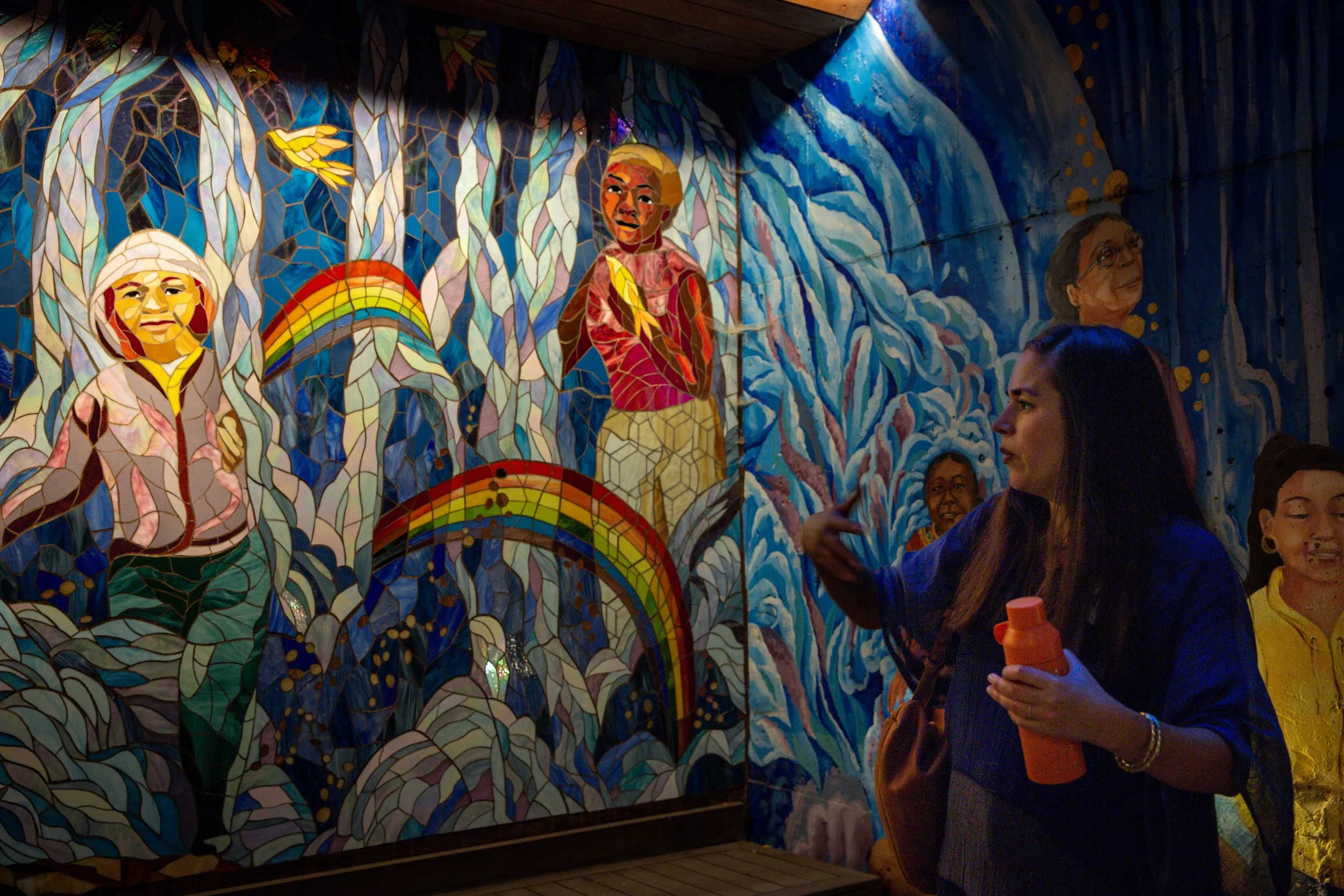
As a funding intermediary, we direct resources to leaders doing movement work in our communities. As a gathering place, we provide a physical location to convene and opportunities to connect across grassroots efforts.
Our Mission
We advance gender, racial, and social justice by supporting women, girls, and gender-expansive people whom carceral systems have directly impacted. We support them in claiming their power and becoming agents of transformative change in their communities and the world.
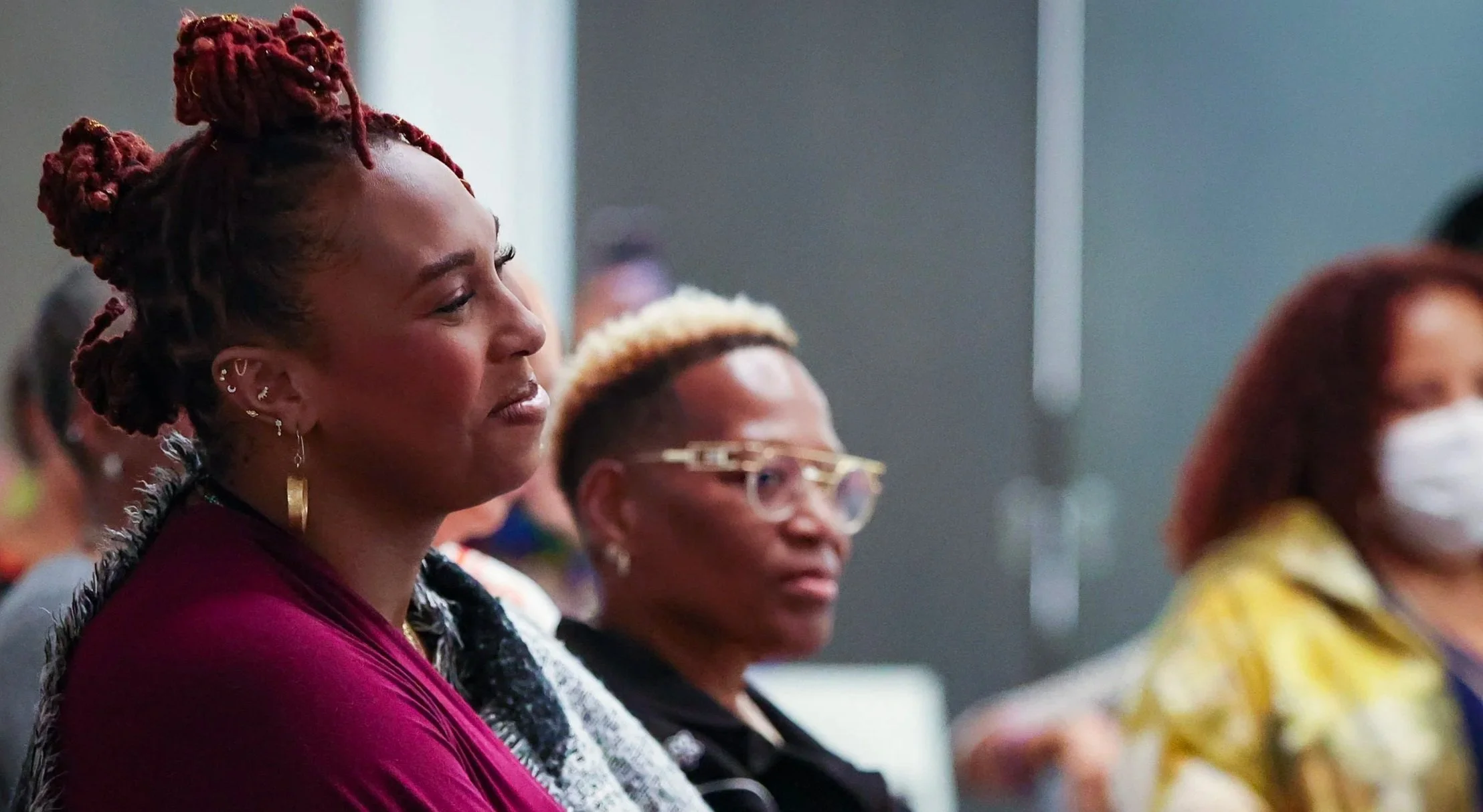
We envision a world where power and opportunity are equitably distributed, and marginalized communities are in a place of stability, sustainability, and personal and professional advancement.
Our Vision
Our Values

We honor our dreams.
We carry the visions of our ancestors and our communities forward, building on the dreams we’ve shared and the future we’re creating together.

We center those most impacted.
Cis and trans women, girls, and gender-expansive people — especially Black, Indigenous, and people of color — are at the heart of everything we do.
We honor our roots.
We stay accountable to grassroots movements and resist the corporatization of nonprofit work, ensuring our spaces reflect the communities that birth and sustain them.

We own our story.
As people impacted by carceral systems, we tell our story in our own voices, with integrity and authenticity.

We sustain ourselves and our communities.
From who we hire to where we direct resources, we prioritize directly impacted people and historically disenfranchised workers, entrepreneurs, and businesses.

We create multiple spaces.
Our Brooklyn hub is just one piece of the vision. We build accessible, safe spaces — physical and beyond — that serve as models for care and collaboration.

We work from love, not fear.
We care for each other with courage and trust, choosing healing and possibility over scarcity and pain.

We engage in struggle now to transform the future.
Even within systems of oppression, we fight strategically and create moments of liberation that build a better future for generations to come.

How We Do It •
How We Do It •
WBU is committed to practicing care-based philanthropy, which builds upon the foundation of trust-based philanthropy. Care-based philanthropy is an ethic rooted in the intellectual and organizing traditions of our communities — in honor of the grandmothers, the organizers, the midwives, the women who have always understood that taking care of each other is not supplemental to the work. It is the work.
It also emerges from what leaders told us directly: burnout, chronic underinvestment, and the experience of being betrayed by the very infrastructure that was supposed to be on their side. Care-based philanthropy is a response to that knowledge and a commitment to act on it. The pillars of care-based philanthropy, as we see it, are as follows:
1. We believe leaders are the resource.
We invest in the people running organizations, not just the work they produce or not just the outcomes they deliver. The people. Their sustainability, their wellbeing, and their power are the point. We resource leaders without requiring them to perform their trauma. Funding flows from trust in leadership and alignment with the work — not from the ability to center suffering.
2. We believe care is movement infrastructure.
Capacity building, healing, and rest are part of what we fund because leader wellbeing is organizational health—not a perk to those who have earned it.
3. We resource rather than monitor.
Our relationships with grantee partners are built on genuine accountability, to the communities they serve and to the values we share — not compliance, surveillance, or data extraction.
4. We minimize the burden.
We reduce the emotional and administrative labor of translating community visions into funder-legible language. We do not extract more than we give.
5. We stay when the work becomes politically vulnerable.
Our commitments are not contingent on what is comfortable for us as an institution. We resource the work because it is necessary, especially when others pull back.
6. We protect community ownership of stories.
The experiences of the people in our community belong to them. We do not extract narratives for our visibility.
7. Our work is relational, not transactional.
We show up consistently, not just for grant cycles. We acknowledge the toll of systemic oppression and the weight of leading in hostile conditions — and we build relationships that can hold that weight.
8. We are movement-accountable.
Proximity to this work comes with responsibility — to center community voice in our decision-making, to be transparent about how we use resources, and to be answerable to the movement, not just to donors.